Upgrading car door panels improves both aesthetics and functionality. Whether enhancing comfort, sound insulation, or style, the materials you choose matter. Some materials offer better durability, while others improve noise reduction or visual appeal. Understanding these differences helps in making informed choices. Below is a breakdown of the best materials used for car door panel upgrades.
Why Upgrade Car Door Panels?
Before diving into materials, it’s helpful to understand why people upgrade car door panels.
- Enhancing the interior design and texture: New panels can dramatically improve the overall aesthetic of the cabin, making it look more stylish, modern, or luxurious depending on the materials and design choices.
- Improving sound insulation: Quality door panels can help reduce outside noise, creating a quieter, more comfortable driving experience by blocking out road and engine sounds.
- Replacing damaged or worn-out panels: Over time, door panels can become faded, cracked, or broken. Replacing them restores the vehicle’s interior to a clean and functional condition.
- Increasing resale value: A refreshed interior with upgraded panels can make a strong impression on potential buyers and may help increase the vehicle’s market value.
- Personalizing the cabin: Car enthusiasts often use upgrades to express their personal style. Custom colors, stitching, or materials can make a vehicle feel truly unique.
- Upgrading the door panels doesn’t just change the look—it can also improve how a car feels to drive and ride in. Whether the goal is comfort, aesthetics, or practicality, a thoughtful upgrade can make any vehicle feel newer and more enjoyable.
Top Materials for Car Door Panels
Let’s explore the most reliable materials used for upgrading door panels.
1. ABS Plastic
ABS (Acrylonitrile Butadiene Styrene) is a common material for automotive interiors.
Benefits:
-
Lightweight yet strong
-
Resists heat and wear
-
Holds paint well
-
Easy to mold into shapes
Drawbacks:
-
Can feel cheap if not textured
-
Less sound-absorbent than other options
Best for: Functional upgrades and factory-style finishes.
2. PVC (Polyvinyl Chloride) Vinyl
Vinyl is used as a surface layer, especially for padded panels.
Advantages:
-
Cost-effective
-
Available in many textures and colors
-
Easy to clean
Disadvantages:
-
Can crack with age and heat
-
Less breathable than fabric or leather
Best for: Budget upgrades and easy maintenance.
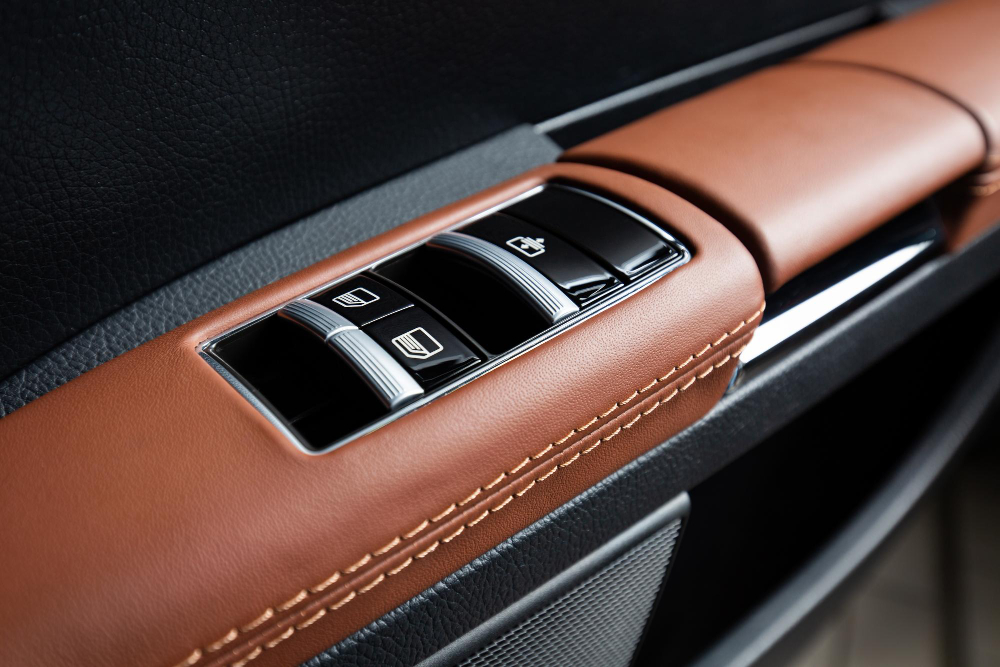
3. Leather and Synthetic Leather
These materials are used in luxury upgrades.
| Feature | Leather | Synthetic Leather |
|---|---|---|
| Feel | Soft and natural | Slightly less breathable |
| Durability | High with proper care | High, less maintenance |
| Cost | Higher | Lower |
Best for: A refined, upscale look.
4. Fabric (Cloth or Suede)
Fabric panels can soften the interior and improve acoustic comfort.
Pros:
-
Good sound absorption
-
Adds warmth to the interior
-
Wide design choices
Cons:
-
Stains easily
-
May wear down over time
Best for: Custom looks and noise control.
5. Carbon Fiber
Carbon fiber is a strong, lightweight option with a sporty finish.
Advantages:
-
High strength-to-weight ratio
-
Modern, sleek appearance
-
Resists corrosion and heat
Disadvantages:
-
More expensive
-
Harder to install
Best for: Sports cars or high-performance builds.
6. Wood Veneer
Wood brings a traditional, elegant feel to the cabin.
Pros:
-
Aesthetic value
-
Adds a warm, luxurious touch
-
Timeless design
Cons:
-
Requires more care
-
Can be heavy
Best for: Classic or high-end interiors.
Choosing the Right Material
Choosing the right material depends on your goals. Here’s a guide to help:
| Goal | Recommended Material |
|---|---|
| Luxury feel | Leather or wood veneer |
| Easy maintenance | Vinyl or synthetic leather |
| Acoustic improvement | Fabric |
| Sporty appearance | Carbon fiber |
| Factory-style look | ABS plastic |
Installation Considerations
Upgrading a door panel involves more than just picking the right material. Keep these tips in mind:
-
Ensure the new panel fits your car model
-
Check for moisture resistance, especially in humid areas
-
Match colors and finishes with other parts of the interior
-
Use professional help for complex materials like carbon fiber or wood
A good installation enhances both appearance and longevity.
Tips for Long-Term Care
After upgrading, proper care will preserve the new look:
-
Clean with appropriate cleaners (non-abrasive, material-specific)
-
Avoid direct sun exposure for long periods
-
Repair minor damages early to prevent worsening
Routine care keeps the interior attractive and functional.
Upgrading car door panels is a practical way to refresh your vehicle’s interior. From durable ABS plastic to premium leather, each material offers unique benefits. Balance your needs, style preferences, and budget to choose the right fit. For durable, stylish, and custom-fit door panel solutions, visit Rivero Auto.