Cooking a giant paella is not just about throwing together some ingredients; it’s a celebration of flavors, vibrant colors, and communal dining that brings people together. Whether you’re planning for a family gathering, a festival, or a big outdoor event, knowing how much of each ingredient you need is essential. This guide will help you navigate through the intricacies of preparing a massive paella, ensuring that each bite is as delightful as the last.
Understanding the Basics of Cooking a Giant Paella
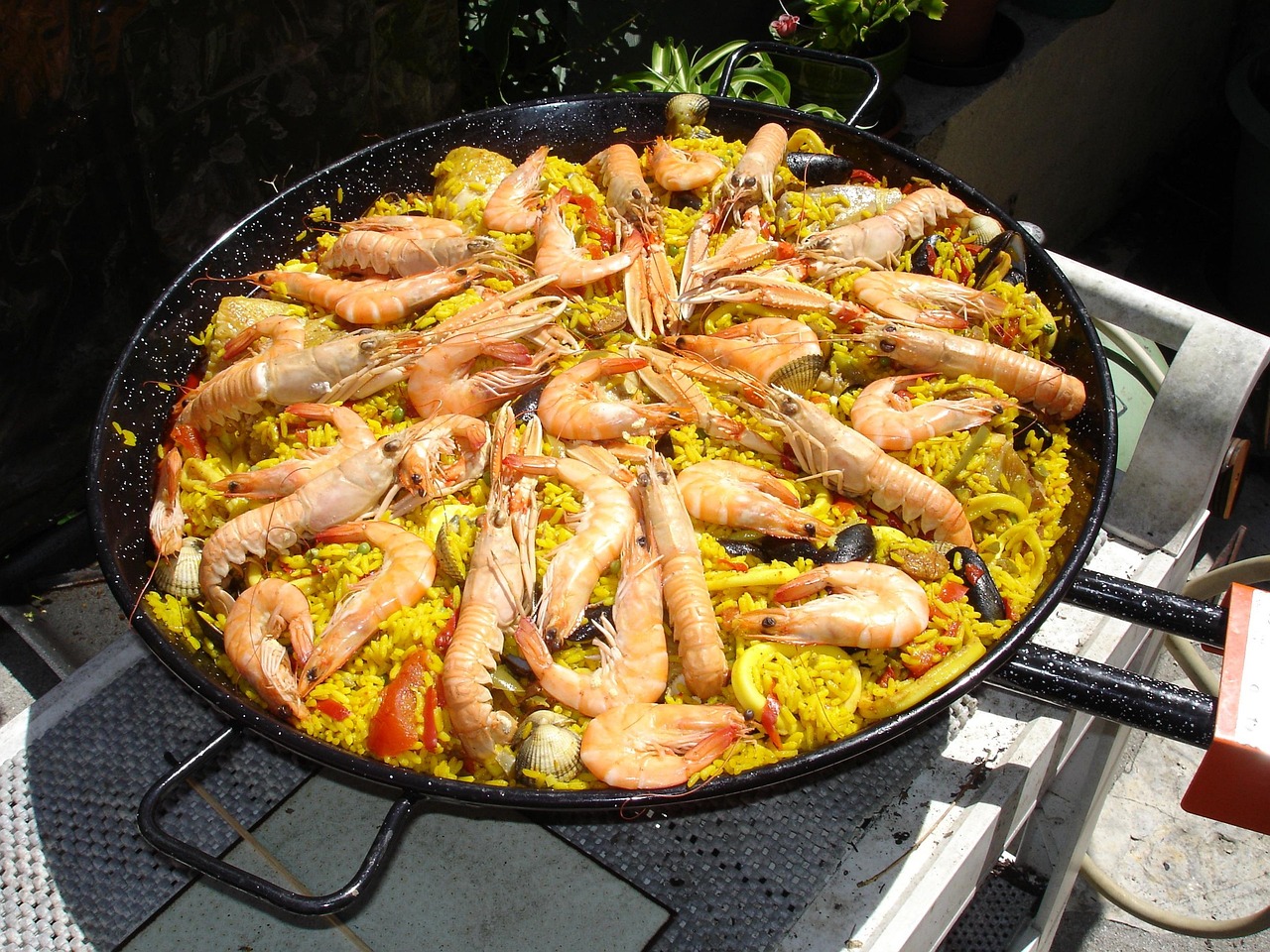
Before jumping into the specifics of ingredient quantities and measurements, it’s crucial to understand the art of a traditional paella. Originating from the Valencia region of Spain, paella is not just a dish; it’s a cultural experience. The key elements include rice, saffron, and a variety of proteins like seafood, chicken, or rabbit, all cooked together in a wide, shallow pan. This design of the pan allows for even cooking and the formation of socarrat, that cherished crispy layer of rice at the bottom.
Choosing the Right Rice for Your Paella
The choice of rice is paramount as it dictates the texture and quality of the paella. For large quantities, use varieties like bomba rice or Calasparra rice. These types are known for their ability to absorb broth without becoming mushy. A general guideline is to use about 80-100 grams of rice per person. This ensures everyone enjoys a hearty portion while allowing the rice to cook evenly.
When planning your dish, consider this helpful table:
| Number of Guests | Amount of Rice (kg) |
|---|---|
| 10 | 0.8 – 1.0 |
| 20 | 1.6 – 2.0 |
| 50 | 4.0 – 5.0 |
| 100 | 8.0 – 10.0 |
Incorporating Fresh Ingredients
Beyond rice, the fresh ingredients you choose for your paella can elevate the dish significantly. Seafood, chicken, and vibrant vegetables like bell peppers and green beans not only add flavor but also nutrition. When serving a larger crowd, aim for approximately 150-200 grams of protein per person, which can include a mixture of meats and seafood.
It’s important to remember the balance. A common mistake is overloading the paella with too many different components, which can hinder the cooking process. Focus on the quality, freshness, and seasonality of your ingredients to ensure a truly authentic experience.
- Fresh seafood: Use local, seasonal options for the best flavor.
- Meat choices: Chicken, rabbit, or a mixture of both enhances depth.
- Vegetables: Stick to traditional selections that complement the rice.
Essential Equipment for Making Giant Paella
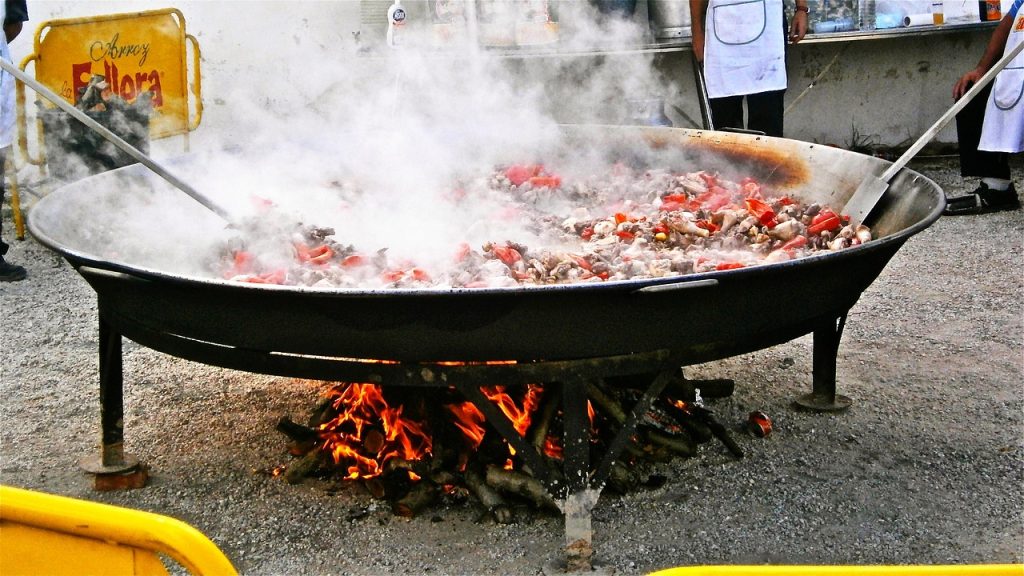
To effectively prepare a giant paella, the right equipment is crucial. A large, wide paella pan is an obvious choice; it allows for a thin layer of rice, which is essential for achieving the perfect socarrat. Depending on the number of servings, you’ll need different sizes of pans. For example, a 100 cm pan can serve about 20 people comfortably.
Heat Source for Cooking
Equally as important as the pan is your fire source. Maintaining even heat during cooking is vital for success. Many chefs prefer using paella burners or outdoor gas cookers. These help distribute heat more uniformly across the pan. You’ll want to start with a high flame to sauté ingredients, then reduce the heat when you add the broth and rice.
When it comes to tools, consider having the following at hand:
- Large spoons for stirring
- A sharp knife for chopping
- Measuring cups for accurate ingredient portions
Cooking Techniques for a Successful Giant Paella
The cooking process for paella differs significantly from typical stovetop meals. One of the biggest challenges is managing the fire; a consistent heat is vital for perfectly cooked rice. Start by browning your proteins and vegetables on high heat, and then reduce the flame as you add broth and rice. This technique allows for flavorful caramelization at the start, followed by a gentle simmer.
Maintaining the Right Cooking Temperature
Your cooking temperature should not only be high initially; it’s essential to monitor it throughout the cooking process to avoid burning or uneven cooking. A rule of thumb is to ensure that the entire surface of the paella pan receives adequate heat. You can also tilt the pan slightly to allow broth to flow evenly over the rice.
For more tips, techniques, and equipment for your giant paella, visit Bahia Honda Fish Market & Restaurant that explores essential culinary adventures.