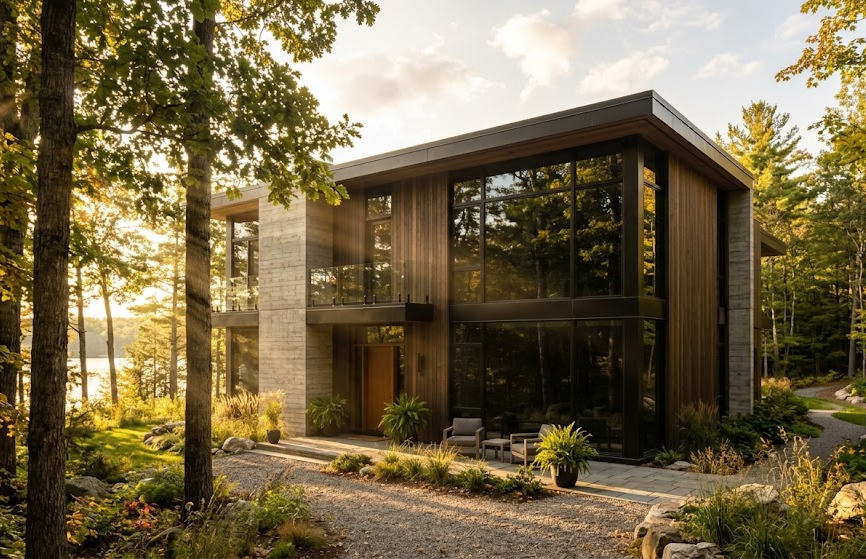
The windows of a modern home do far more than frame a view — they influence comfort, energy consumption, and even the security of those inside. Window tinting has evolved from a niche automotive feature into a sophisticated home improvement solution with a wide spectrum of options. Navigating this landscape thoughtfully can lead to significant savings and a noticeably more pleasant living environment.
Understanding the Core Types of Window Tint Films
Before selecting a tinting solution, homeowners should familiarize themselves with the main film categories available on the market. Each type offers a distinct balance of aesthetics, performance, and durability.
Dyed Window Films
Dyed films represent the most budget-accessible entry point into home tinting. They work by absorbing solar heat through multiple layers of dye applied to a polyester base. While effective at reducing glare and providing a degree of privacy, they tend to fade more quickly than other options and offer limited infrared heat rejection — making them better suited for mild climates or interior applications.
Metalized and Ceramic Films
Metalized films embed tiny metallic particles into the film to reflect solar energy efficiently, resulting in superior heat rejection and impressive durability. Ceramic films, on the other hand, use non-metallic ceramic nanoparticles to deliver exceptional clarity without interfering with Wi-Fi signals or electronic devices — a common drawback of their metallic counterparts. For modern smart homes, ceramic tinting is widely regarded as the gold standard.
Evaluating Performance Metrics That Matter
Choosing the right film goes beyond appearance; several technical specifications deserve careful consideration before making a final decision:
- Solar Heat Gain Coefficient (SHGC): a lower score indicates that less solar heat passes through the glass, which directly reduces air-conditioning costs during warmer months.
- Visible Light Transmittance (VLT): this percentage determines how much natural daylight filters into the room, affecting both ambiance and reliance on artificial lighting.
- UV rejection rate: quality films can block up to 99% of ultraviolet radiation, protecting furnishings, flooring, and artwork from premature fading.
Balancing these metrics against the orientation of each window and local climate conditions ensures a tailored outcome rather than a one-size-fits-all solution.
Matching Tinting Solutions to Architectural Styles
Modern homes come in an extraordinary variety of designs, and window tinting should complement — never clash with — the architectural language of the building. Neutral-toned films work harmoniously with minimalist facades, while lightly reflective options can enhance the sleek aesthetic of floor-to-ceiling glazing common in contemporary construction. Decorative or frosted films, meanwhile, offer a creative solution for bathrooms or entryways where privacy is paramount but natural light remains desirable. Consulting a professional installer who understands both the technical and aesthetic dimensions of the product will yield the most cohesive result.
Considering Installation and Long-Term Maintenance
Professional installation is strongly advisable, as improper application leads to bubbling, peeling, and reduced film lifespan. A skilled technician will assess existing glazing, measure precisely, and apply the film without trapping air or debris. Once installed, quality tinting films require minimal upkeep: gentle cleaning with a soft cloth and a mild, ammonia-free solution is generally sufficient to preserve both clarity and adhesion over the years. Most reputable manufacturers back their products with warranties ranging from several years to a lifetime, providing additional peace of mind for homeowners.
Conclusion
From dyed films to advanced ceramic solutions, home window tinting offers a versatile toolkit for enhancing comfort, reducing energy costs, and elevating a property’s aesthetic appeal. The right choice depends on a careful reading of climate, architectural style, and performance priorities. Reaching out to a certified window film specialist will ensure that your investment delivers lasting value tailored precisely to your home’s unique profile.