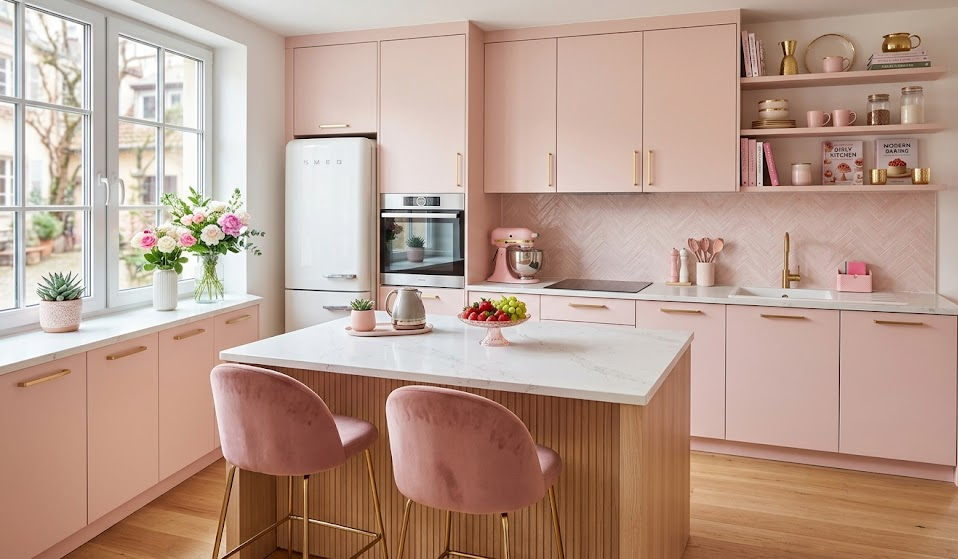
Kitchen remodeling trends for seniors and busy households are shifting toward comfort, safety, and smart functionality. Today’s kitchens are designed to feel easier to use, simpler to maintain, and more adaptable as needs change. If you’re planning a renovation, these trends can help you make thoughtful choices.
Choosing a Layout That Works
A kitchen layout should support daily movement, reduce stress, and make everyday tasks flow smoothly. Instead of squeezing everything into one shape, modern designs aim for clear pathways and practical zones. This approach matters especially for people who value accessibility without sacrificing style.
Maximizing Clear Pathways
When a kitchen is clutter-free and routes are wide enough, cooking becomes less tiring. Many renovations now focus on improving circulation space between the sink, stove, and fridge. Thoughtful planning also helps prevent tight corners and awkward turning.
To achieve this, homeowners often evaluate how doors open, how drawers slide, and whether appliances block movement. Small adjustments can create a surprising difference in comfort.
Creating Work Zones
Instead of one continuous counter, kitchens increasingly use distinct work areas. A prep zone supports chopping and food assembly, while another section supports cleanup. Having separate zones can reduce the need to carry items across the room, which saves energy over time.
You can also benefit from adding a small station for lightweight tasks like measuring ingredients or organizing utensils.
Prioritizing Ergonomic Storage
Storage is no longer only about hiding clutter. It’s about making frequently used items easy to reach and less likely to spill. Many recent kitchens include storage designed around how people actually live—especially when mobility or grip strength changes.
Using Pull-Out and Roll-Out Options
Drawers with dividers, pull-out shelves, and roll-out racks make it easier to access pots, pans, and pantry items. These features often reduce the need to bend or reach high cabinets. Smooth operation is key, so drawers should close gently and open without forcing.
If you cook often, prioritize storage near your main prep and cooking area. That way, ingredients and tools stay close, saving time and effort.
Adding Deep, Divided Pantries
Deep pantries can be more useful when they’re organized by category. Dividers can separate snacks, dry goods, and cooking staples. Clear labeling can also make it easier to find what you need quickly.
A well-organized pantry reduces food waste and supports consistent cooking habits.
Upgrading Lighting and Visibility
Light is one of the most underrated features in a kitchen. Better lighting improves safety, reduces eye strain, and makes food preparation easier. Many remodeling trends now include layered lighting rather than a single overhead source.
Installing Task Lighting
Under-cabinet lights, toe-kick lighting, and spot illumination above work surfaces help kitchens feel brighter and more functional. Task lighting reduces shadows on counters and improves visibility for cutting, reading labels, or cleaning.
For a comfortable atmosphere, many homeowners choose warm, natural tones that don’t feel harsh in the evening.
Choosing Smart Switch Controls
Modern kitchens increasingly use switches that match daily routines. Some designs include motion-activated lighting, timers, or dimmers to prevent glare. These options can help when hands are full or when someone needs a quick, gentle light.
If you prefer simplicity, even a standard dimmer can make lighting more adjustable.
Selecting Materials for Daily Life
Durability and maintenance are major priorities in current kitchen trends. Materials are now chosen for stain resistance, easy cleaning, and long-term resilience. A good renovation should look attractive today and stay practical for years.
Using Low-Maintenance Surfaces
Quartz and other engineered stone surfaces often appeal because they resist staining and are easier to maintain than many natural alternatives. For countertops, seams, edges, and finishes also matter. Rounded edges can help reduce wear and make cleaning smoother.
For flooring, many homeowners consider water-resistant materials that can handle spills and heavy foot traffic. Slip resistance is also worth checking.
Improving Faucet and Hardware Performance
Kitchen hardware is evolving toward reliable, comfortable use. Lever-style handles, easy-grip knobs, and motion-friendly designs can reduce strain. Faucets with smooth operation can make washing dishes feel simpler.
Even if you keep the layout, upgrading hardware can modernize the kitchen while improving usability.
Incorporating Smart and Sustainable Features
Smart upgrades help kitchens become more efficient, and sustainability trends focus on reducing waste and energy use. These features can also increase comfort by improving control over lighting and temperature.
Adding Smart Appliances
Some homeowners choose appliances with flexible settings, clear displays, and user-friendly interfaces. Features like sensor-based ventilation or adjustable cooking modes can support safer cooking habits.
If you prefer fewer gadgets, you can still benefit from energy-efficient models that perform reliably without extra complexity.
Improving Ventilation and Air Quality
Range hoods with strong extraction and quieter fans are increasingly popular. Better ventilation helps reduce lingering odors and moisture buildup, supporting a cleaner kitchen environment.
Where possible, choose ducting solutions that align with your home’s layout to maximize performance.
Conclusion
Kitchen remodeling trends today focus on comfort, accessibility, and long-term practicality. By improving layout, storage, lighting, materials, and smart features, you can build a kitchen that works beautifully for everyday life. For personalized guidance, consult a professional contractor who can tailor choices to your mobility and household routines.