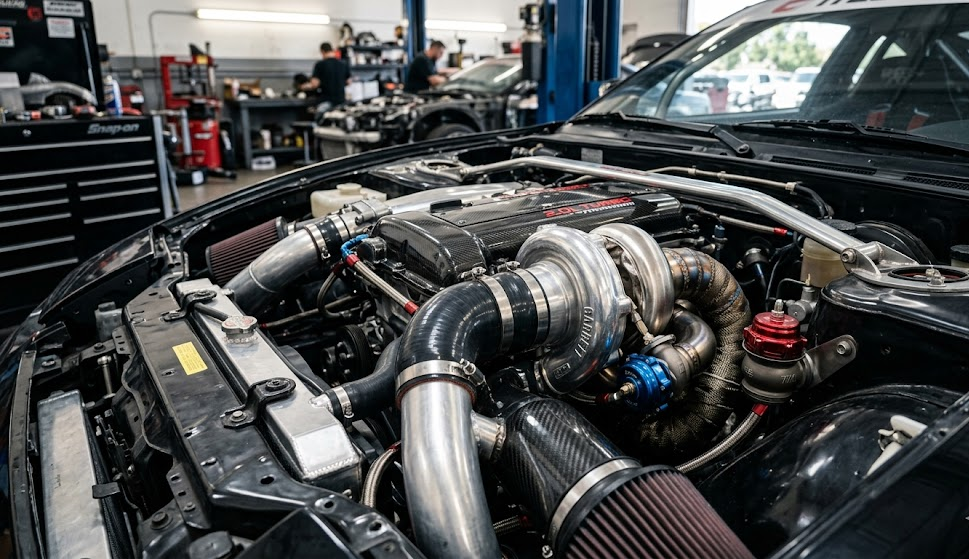
Turbocharging has revolutionized the automotive world, offering enthusiasts impressive power upgrades and enhanced fuel efficiency. By harnessing exhaust gases, turbochargers enable engines to deliver exhilarating acceleration without the need for larger displacement. This article explores the multifaceted advantages of installing a turbocharger in your vehicle, revealing how this modification elevates performance and driving experience.
Understanding the Turbocharger Mechanism
A turbocharger operates on a simple yet effective principle: it uses exhaust gases to spin a turbine, which drives a compressor that forces additional air into the engine’s combustion chambers. This mechanism significantly enhances the engine boost, allowing for a more complete fuel-burning process. Unlike superchargers, which draw energy from the engine, turbochargers utilize energy that would otherwise be wasted.
Components of a Turbocharger System
To appreciate the benefits of turbocharging, it’s essential to understand its components:
- Turbine: Spins due to exhaust gases, driving the compressor.
- Compressor: Forces additional air into the engine for better combustion.
- Wastegate: Regulates boost pressure to prevent engine damage.
Exploring Turbocharging Benefits
Installing a turbocharger brings numerous advantages, transforming both performance and efficiency in your vehicle. Here are some of the primary benefits:
- Increased Power: Turbochargers can produce an impressive 30% to 70% boost in horsepower compared to naturally aspirated engines.
- Fuel Efficiency: Smaller turbocharged engines can deliver enhanced power while consuming less fuel, thus improving overall efficiency.
- Compact Performance: A turbocharged 4-cylinder engine can rival the power output of a traditionally aspirated V6 or V8.
Types of Turbochargers
The choice of turbocharger can significantly impact performance, and there are several types to consider:
- Single Turbo: The most common configuration, ideal for standard performance upgrades.
- Twin Turbo: Employs two smaller turbos for quicker spool times, reducing lag.
- Variable Geometry Turbo (VGT): Features adjustable blade angles for optimal performance across various RPM ranges.
Selecting the Right Turbocharger
Choosing the appropriate turbocharger requires careful consideration. A turbo that is too large may lead to excessive lag, while one that is too small could restrict top-end power. Consumers can utilize sizing calculators provided by reputable brands like Garrett Motion to determine the best fit for their specific engine model.
Supporting Modifications for Success
Installing a turbocharger isn’t a standalone effort; it requires supporting modifications for optimal performance:
- Upgraded Fuel System: High-flow injectors and pumps are necessary to maintain proper air-fuel ratios.
- Performance Intercooler: Helps to cool intake air, enhancing engine power and reliability.
- Exhaust Upgrades: A free-flowing exhaust system is essential to minimize backpressure.
Importance of Proper ECU Tuning
An overlooked aspect of turbocharging is the necessity of ECU tuning. Proper tuning optimizes ignition timing, boost pressure, and fuel delivery, ensuring that the engine operates safely and efficiently. Platforms like COBB Tuning and Hondata are well-respected resources for this process and can help maximize the benefits of your new turbo installation.
Avoiding Common Turbocharging Mistakes
Many enthusiasts make mistakes during the turbo installation process that can lead to engine damage. Common pitfalls include:
- Skipping a professional tune: This can lead to severe engine performance issues.
- Over-boosting: Exceeding the engine’s limits can cause catastrophic failure.
- Neglecting cooling and oil system upgrades: These are essential for turbo longevity.
Maintenance for Longevity
To keep your turbocharger functioning well, regular maintenance is key. Recommended practices include:
- Frequent Oil Changes: Use high-quality synthetic oil to prolong turbo life.
- Idle Period: Allowing the engine to idle for a few minutes after aggressive driving helps to cool down the turbo.
Investing in a turbocharger is a substantial commitment, but the potential gains in horsepower, torque, and overall car performance are significant. By ensuring proper installation by professionals, tuning, and maintenance, drivers can transform their vehicles into powerful machines without sacrificing reliability.