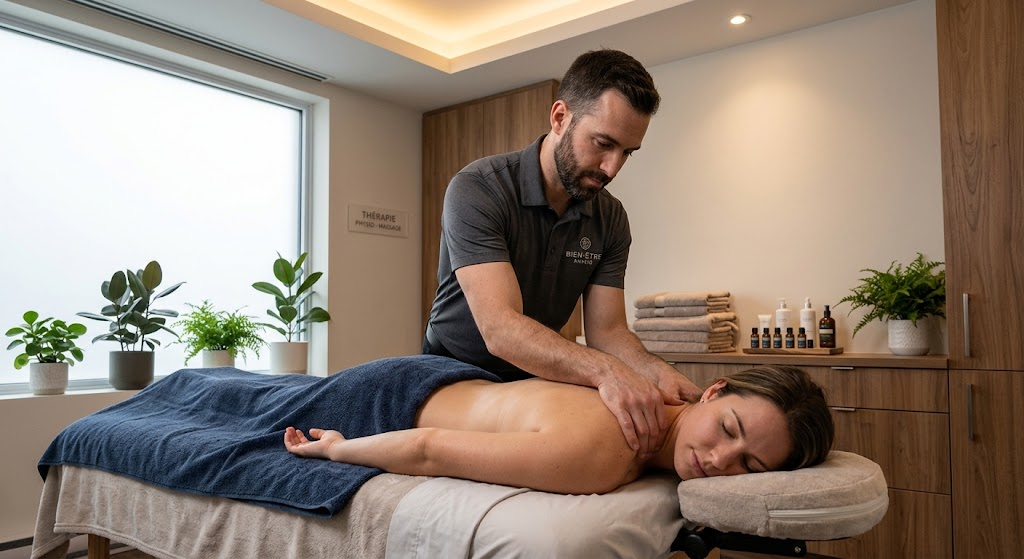
Medical massage therapy uses targeted manual techniques to address muscle tension, restricted movement, and soft tissue discomfort. The methods selected depend on the affected muscle groups, the individual’s physical condition, and the intended therapeutic outcome. Understanding how different techniques apply to specific areas of the body helps explain the role of medical massage therapy in supporting mobility, muscle function, and physical rehabilitation.
1. Techniques for the Neck and Shoulder Muscles
The neck and shoulders contain muscles that support the head, stabilize the upper body, and contribute to arm movement. Prolonged static positions, repetitive activities, and physical strain can contribute to tension in the upper trapezius, levator scapulae, and surrounding muscles.
Medical massage therapists may use several approaches to address these areas:
-
Effleurage: Gentle, gliding movements help warm the superficial tissues and prepare the area for more targeted techniques.
-
Petrissage: Kneading and lifting movements apply controlled pressure to accessible muscle tissues.
-
Trigger point techniques: Sustained, carefully adjusted pressure may be applied to specific sensitive points when clinically appropriate.
-
Myofascial techniques: Gentle stretching and sustained contact target restrictions in the connective tissues surrounding muscles.
The pressure and duration depend on tissue sensitivity and the individual’s tolerance. Because the neck contains important blood vessels, nerves, and other delicate structures, treatment requires appropriate anatomical knowledge. Forceful pressure directly over the front or sides of the neck should be avoided.
2. Approaches for the Back Muscles
The back includes several muscle groups responsible for spinal support, posture, and trunk movement. The erector spinae muscles help maintain an upright position, while deeper muscles contribute to spinal stability. Physical exertion and sustained postures can increase muscle tension in these areas.
Depending on the assessment, a therapist may combine broad gliding movements with localized pressure and gentle tissue mobilization. Deep tissue massage may be appropriate for certain muscular complaints, but it is not automatically more effective than gentler techniques. Pressure should remain adapted to the individual’s condition and response.
Common treatment approaches include:
-
Broad compression: Controlled pressure is applied to accessible back muscles to address localized tension.
-
Longitudinal strokes: Movements follow the general direction of muscle fibers to prepare tissues and support relaxation.
-
Friction techniques: Small, controlled movements target specific areas when indicated by the assessment.
-
Myofascial release: Sustained pressure and gentle stretching address restricted movement in superficial connective tissues.
Massage should not involve forceful pressure directly over the spine or other vulnerable structures. New or severe back pain, particularly when accompanied by weakness, numbness, fever, or changes in bladder or bowel function, requires medical evaluation rather than routine massage.
3. Treatment for the Arms and Forearms
The muscles of the arms and forearms support gripping, lifting, wrist movement, and elbow function. Repetitive hand movements and sustained gripping can contribute to discomfort in the forearm flexors and extensors. However, similar symptoms can also result from tendon disorders, nerve compression, or joint problems.
Medical massage therapy may include gentle kneading, gliding strokes, and carefully controlled localized pressure. These methods are selected according to the affected tissues and the reason for treatment.
The therapist may focus on:
-
Forearm flexors: Muscles involved in wrist and finger flexion.
-
Forearm extensors: Muscles that help extend the wrist and fingers.
-
Biceps and triceps: Muscles responsible for bending and straightening the elbow.
-
Surrounding soft tissues: Accessible tissues that may contribute to restricted movement or localized tension.
Treatment should not aggravate pain or create excessive pressure around nerves, blood vessels, or inflamed tendons. Persistent tingling, loss of grip strength, or unexplained swelling warrants further assessment to establish the cause.
4. Techniques for the Legs and Calves
The lower limbs contain large muscle groups involved in walking, balance, and weight-bearing activities. The quadriceps support knee extension, the hamstrings contribute to knee flexion and hip movement, and the calf muscles assist with ankle movement and propulsion during walking.
Therapists may use broad strokes, gentle kneading, and pressure adapted to the muscle’s size and sensitivity. Targeted massage techniques can help manage certain types of muscular discomfort and support relaxation, although outcomes depend on the underlying condition.
Treatment may address:
-
Quadriceps: The muscles at the front of the thigh.
-
Hamstrings: The muscles at the back of the thigh.
-
Gastrocnemius and soleus: The primary muscles of the calf.
-
Hip muscles: Muscle groups that contribute to pelvic stability and leg movement.
Special care is necessary when pain follows an injury or when swelling, redness, warmth, or tenderness develops unexpectedly. These symptoms can indicate a condition that requires prompt medical assessment. In particular, suspected deep vein thrombosis is a contraindication to massage of the affected limb until medically evaluated.
5. Adapting Techniques to Individual Needs
Effective medical massage therapy depends on more than identifying the muscle that feels uncomfortable. A practitioner should consider the individual’s medical history, symptom pattern, movement limitations, medication use, and treatment goals before selecting a technique.
Important considerations include:
-
Pressure intensity: Treatment should be adjusted to tissue sensitivity and clinical needs.
-
Technique selection: Gentle methods may be preferable when tissues are sensitive or recovery is ongoing.
-
Treatment duration: The length of each session should reflect the affected area and the individual’s response.
-
Contraindications: Certain injuries, infections, skin conditions, vascular problems, and other medical circumstances may require avoiding massage or obtaining medical clearance.
-
Progress monitoring: Changes in pain, movement, and tolerance help determine whether the treatment approach remains appropriate.
A qualified massage therapist can adapt treatment to individual needs and recognize situations requiring referral to another healthcare professional. Although massage may help manage certain muscular complaints, it does not replace medical diagnosis or treatment when an underlying condition requires further investigation.