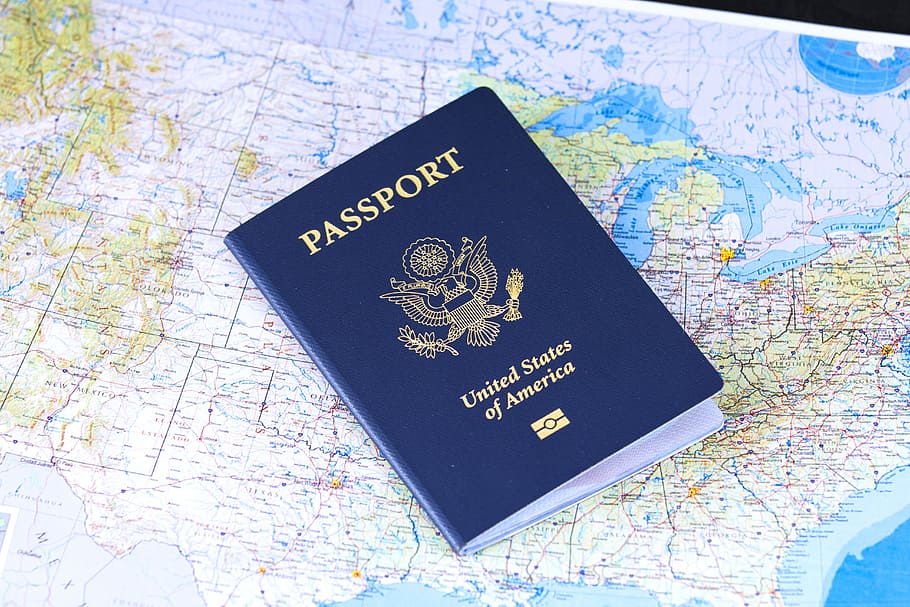
In today’s globalized world, the opportunity to travel, study, or work abroad is often seen as an essential component of personal and professional growth. However, navigating the visa application process can be fraught with challenges—chief among them, the risk of visa rejection. Understanding the common reasons behind these denials can greatly enhance your chances of securing approval. In this article, we’ll delve into the primary reasons for visa rejection and provide effective strategies for overcoming these hurdles.
Understanding Incomplete or Incorrect Applications
One of the most prevalent causes of visa rejection stems from incomplete or inaccurately filled applications. Flaws like missing information, typographical errors, or inconsistencies between documents raise red flags for visa officers.
How to Avoid Incomplete Applications:
- Thorough Review: Always double-check your application forms for accuracy before submission.
- Complete Documentation: Ensure that every required field is filled out and that supporting documents are attached.
- Seek Professional Guidance: If you’re unsure about any section, consider consulting an immigration expert.
For example, let’s say an aspiring student applies for a study visa but overlooks the need for an application fee receipt. This critical omission could spell doom for their application, irrespective of their qualifications. A good practice is to keep a copy of your application for reference during interviews, ensuring that you can address any discrepancies that may arise.
Checklist for Verifying Your Application
To enhance the accuracy of your application, use the following checklist:
| Item | Status |
|---|---|
| Completed DS-160 Form | |
| Payment Receipt | |
| Supporting Documents Attached | |
| Signed Application |
Demonstrating Strong Ties to Your Home Country
Visa approval often hinges on the applicant’s ability to demonstrate their intent to return to their home country post-visit. Failure to establish strong ties may lead to rejection.
Ways to Showcase Strong Ties:
- Employment Evidence: Include employment letters, pay slips, or tax documents.
- Family Connections: Provide proof of dependents, such as marriage and birth certificates.
- Property Ownership: Show documentation of owned properties or long-term leases.
- Commitments: Highlight ongoing commitments like education enrollment or business investments.
For example, if you are a graduate student, presenting an enrollment certificate along with a letter from your institution can effectively demonstrate your intention to return after your studies.
Critical Evidence to Include
Consider compiling the following evidence to support your visa application:
| Type of Evidence | Examples |
|---|---|
| Employment Proof | Employment letter, recent pay stubs |
| Family Documentation | Birth certificates, marriage certificate |
| Property Documents | Ownership title, lease agreements |
| Education Verification | Enrollment certificate, college letter |
Providing Sufficient Financial Evidence
Every visa applicant must showcase their ability to financially sustain themselves during their stay. Insufficient financial documentation can be a common pitfall leading to rejection.
How to Present Financial Stability:
- Current Bank Statements: Submit recent statements indicating a healthy balance.
- Sponsorship Letters: If someone is sponsoring you, include their financial documents along with a detailed letter.
- Clarify Transactions: If there are sizable deposits or unusual transactions in your bank history, provide explanations.
As a rule of thumb, aim to display at least six months of financial history to build credibility. Imagine a situation where you are applying for a work visa but have insufficient bank records; this can lead to unnecessary denial.
Financial Documentation Checklist for Visa Applications
To ensure you’re presenting your financial situation effectively, consider including:
| Document | Description |
|---|---|
| Bank Statements | Recent statements from the last six months |
| Sponsorship Letter | A letter detailing the sponsor’s commitment |
| Financial Records | Tax returns, salary slips for clarity |
Preparing for the Visa Interview
The visa interview forms a critical portion of the approval process. Many applicants fail this stage due to unclear or inconsistent responses.
Tips for a Successful Interview:
- Practice Common Questions: Familiarize yourself with frequently asked questions, such as “Why do you want to travel to the US?”
- Be Honest: Consistency across your answers is crucial; avoid fabricating details.
- Bring Supporting Documents: Always have relevant documentation on hand to back up your claims.
If you are visiting relatives, for instance, carrying invitation letters and proof of their residency can bolster your application significantly.
Common Interview Questions and Strategy
Here are a few questions to prepare for, along with strategies to effectively answer them:
| Question | Suggested Strategy |
|---|---|
| What is the purpose of your visit? | Clearly articulate your reason with supporting documents. |
| How will you fund your trip? | Provide a summary of your financial resources, including documents. |
| Do you have family in the US? | Be honest and provide proof of relationships. |
Addressing Previous Visa Violations
Past violations, such as overstays or unlawful employment, can have a significant negative impact on your new application. Being transparent about these issues is essential.
How to Tackle Previous Violations:
- Full Disclosure: Always be honest about your past immigration history.
- Explanations for Issues: Provide context and reasons if you faced challenges with previous visas.
- Proof of Compliance: If you’ve rectified your standing, show evidence of adherence to regulations in past applications.
Imagine applying for a visa after a previous denial without addressing the earlier issues; that would likely lead to further complications.