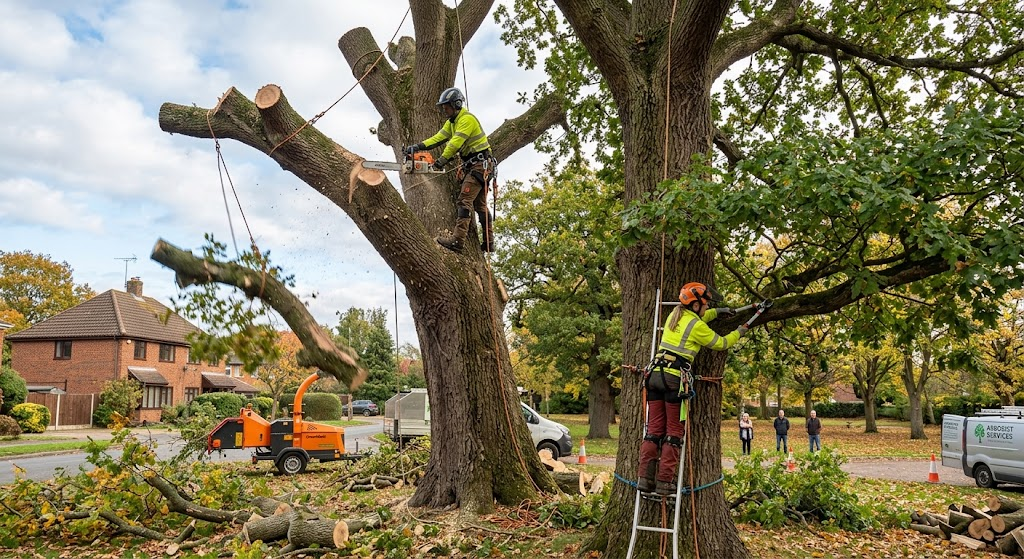
Amidst the lush greenery of your garden, the terminology of tree care can often seem daunting. Although tree lopping and tree pruning are frequently mentioned in gardening circles, they represent distinct approaches to tree maintenance. Understanding the differences between these two methods is essential for ensuring the long-term health and beauty of your trees.
Understanding Tree Lopping: A More Drastic Approach
Tree lopping is a much more invasive technique. It involves cutting away large sections from the top or sides of the tree, primarily to control its size or remove hazards. This approach is typically employed for safety reasons, such as keeping limbs from encroaching on power lines or structures.
Risks Associated with Tree Lopping
Engaging in lopping can lead to several risks if not performed correctly. Consider the following:
- Weak regrowth: Large cuts can result in unstable and poorly attached new branches.
- Increased disease susceptibility: Open wounds may attract pests and diseases, resulting in long-term harm.
- Unsightly appearance: Frequent lopping can lead to an unbalanced, unattractive tree structure.
Defining Tree Pruning: The Art of Care
Tree pruning is a meticulous practice focused on the long-term health of your trees. This careful process involves selectively removing specific parts, such as dead, diseased, or overgrown branches. By engaging in pruning, you actively promote healthy growth and maintain the tree’s natural shape.
Benefits of Tree Pruning
Pruning offers a variety of advantages, notably enhancing health and aesthetics. Here are some key benefits:
- Promotes healthy growth: By removing dead or damaged branches, trees can focus their energy on new, vibrant growth.
- Reduces pest risk: Pruning decreases the likelihood of pests infesting weak or diseased parts.
- Maintains natural beauty: A well-pruned tree showcases its natural form and flowering capacity.
When to Choose Pruning or Lopping
The choice between pruning and lopping hinges on the specific circumstances surrounding your trees. Understanding the context is essential for the well-being of your garden. If the focus is on enhancing health and aesthetics, pruning should be the preferred choice.
Situations Favoring Pruning
There are distinct scenarios where pruning excels:
- Seasonal Maintenance: Trees benefit from pruning to stimulate growth in spring and prepare for winter.
- Removing deadwood: Eliminating dead branches sustains a tree’s vitality.
- Aesthetic enhancements: Pruning enhances the visual appeal of ornamental trees.
Situations Favoring Lopping
Conversely, lopping becomes necessary in dire situations:
- Dangerous proximity: Trees too close to power lines or homes need lopping for safety.
- Storm damage: Broken limbs pose risks and should be addressed by lopping.
- Overgrowth: When trees become unmanageable, lopping can restore balance.
The Importance of Professional Assessment
Given the complexities of tree care, consultation with a certified arborist is invaluable. They can assess the conditions of your trees, recommend the ideal approach, and ensure the work is conducted safely. Professionals are skilled in identifying the nuances between pruning and lopping, ultimately preserving your trees’ health.
Why Trust Experts?
Professional tree surgeons are equipped with the expertise and tools necessary for optimal results. Here’s why you should trust them:
- Expert Assessment: Professionals evaluate tree conditions thoughtfully.
- Quality Execution: Proper techniques are essential for safe and effective maintenance.
- Ongoing Advice: They can provide long-term care strategies for your trees.
Final Thoughts on Tree Care
Understanding the distinction between tree lopping and pruning is vital for the successful management of your landscape. Trees are long-term assets that require attentive care to thrive. Utilizing the right technique informed by professional advice can make a significant difference in the overall health and aesthetics of your trees.