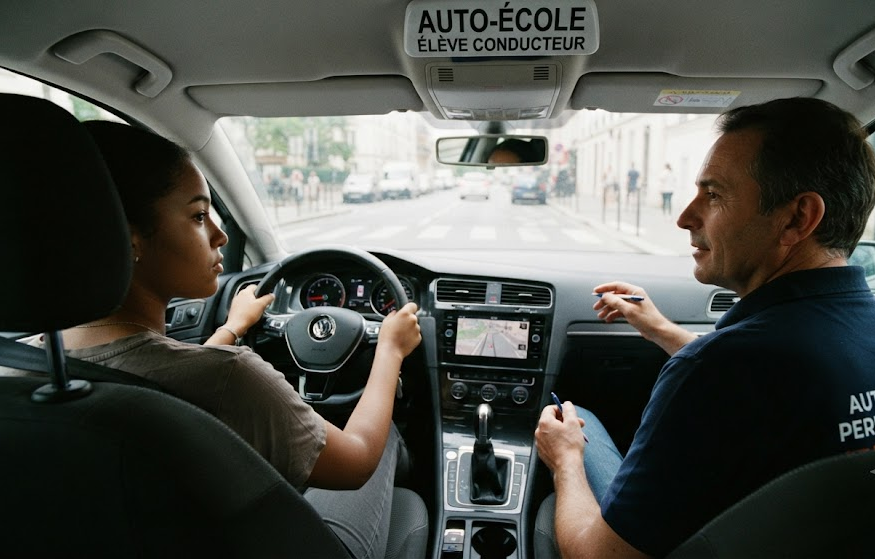
Gaining driving skills is more than just a rite of passage; it represents independence and a significant life milestone. In 2026, as road safety becomes increasingly paramount, understanding the essential skills developed during driving instruction is vital for all learners. This article explores the fundamental abilities honed through structured driving lessons, providing learners with the confidence to navigate the complexities of the road.
Understanding the Essential Driving Skills Developed in Lessons
Building a solid foundation of driving skills begins with formal instruction. Learners benefit from systematic training that not only prepares them for road tests but also enhances their overall driving competence. Below, we delve into key skills vital for safe and proficient driving.
Mastering Basic Vehicle Control
One of the cornerstones of driving instruction is mastering vehicle control, which involves a thorough understanding of the vehicle’s functions. This crucial skill encompasses:
- Understanding control locations: Familiarizing oneself with the steering wheel, accelerator, brake, and clutch in manual vehicles.
- Smooth start and stop techniques: Learning to start and stop smoothly to avoid jerking and ensure comfort.
- Maintaining speed: Understanding how to manage accelerator pressure for stable speed control.
Proficient vehicle control fosters confidence and promotes safety, ensuring drivers can handle various road situations with ease.
Enhancing Observational Skills for Safer Driving
Critical observational skills are central to preventing accidents and ensuring awareness on the road. Effective instruction emphasizes these skills through the following methods:
Developing Scanning Techniques
Learning to actively scan the environment is essential. Instructors guide students to:
- Frequent mirror checks: Regularly checking rearview and side mirrors keeps drivers informed of their surroundings.
- Blind spot awareness: Checking blind spots before changing lanes or merging is vital to avoid collisions.
- Identifying potential hazards: Encouraging students to recognize pedestrians and cyclists enhances road safety.
Improved observational skills lead to proactive decision-making, reducing the likelihood of accidents.
Practicing Defensive Driving Techniques
Defensive driving is a pivotal aspect of road safety. Instructors emphasize the anticipation of other drivers’ actions, allowing learners to navigate streets confidently. Key components include:
Implementing Hazard Perception
Building an understanding of potential hazards prepares learners for unexpected situations. Key defensive techniques include:
- Maintaining a safe following distance: This allows for adequate response time during sudden stops.
- Awareness at intersections: Encouraging students to approach intersections with heightened caution.
- Anticipating erratic driving behaviors: Recognizing and preparing for unexpected actions from other drivers enhances overall safety.
These defensive driving skills empower learners to remain focused and alert, crucial for reducing road incidents.
Refining Parking and Maneuvering Skills
Strategic parking and maneuvering techniques are essential for urban driving. Many learners find parking particularly daunting, but structured practice simplifies these skills. Important techniques include:
Effective Parking Strategies
Practicing various parking techniques prepares learners for real-world scenarios. Key parking skills include:
- Parallel parking: Understanding the steps involved and executing them in tight spaces builds confidence.
- Angle and perpendicular parking: Knowing how to approach and position the vehicle correctly is crucial.
- Parking in incline situations: Learning techniques for safely parking on hills reduces anxiety.
With dedicated practice, learners develop the control and precision necessary for successful parking in diverse situations.
Understanding Road Signs and Signals
A comprehensive understanding of road signs is not merely academic; it is vital for effective driving. Instructors help learners recognize and respond appropriately to signs, which includes:
Identifying and Responding to Road Signs
Knowledge of road signs is fundamental to ensuring road safety. Instructors focus on helping students:
- Comprehend various signs: Understanding stop signs, yield signs, and speed limits is crucial for compliance.
- React to signs appropriately: Teaching students the correct responses to different signs enhances safety.
- Follow traffic signal sequences: Recognizing traffic light changes is critical to preventing accidents.
Responding accurately to road signs reflects maturity and situational awareness, essential qualities for any safe driver.
Navigating Intersections with Confidence
Intersections are often the most complex driving scenarios, requiring a strong grasp of right-of-way rules. Proper instruction ensures learners approach intersections wisely. Core skills include:
Executing Safe Intersection Maneuvers
Understanding how to navigate intersections safely is imperative. Instructors teach students to:
- Stop completely at stop signs: Full stops ensure awareness of cross traffic
- Yield when necessary: Recognizing when to yield is vital to avoiding collisions.
- Make informed decisions: Observing traffic patterns allows for safe maneuvers.
Effective intersection navigation is a skill that contributes significantly to driver safety and efficiency.
Developing a Calm and Focused Mindset
Finally, cultivating a positive mindset during driving is essential for success. Instructors work closely with students to promote calmness and confidence, teaching strategies such as:
Strategies for Staying Calm Under Pressure
It’s common for learners to feel anxious during tests. Instructors encourage methods that include:
- Practical breathing techniques: Practicing breathing can help ease anxiety
- Visualization: Imagining successful drives can bolster confidence.
- Treating practice tests like real driving: This can diminish pressure and enhance focus.
By instilling these calming techniques, learners can perform at their best, transforming anxiety into confidence.
In summary, developing driving skills through structured instruction is essential for creating safe and responsible drivers. By refining vehicle control, observational skills, defensive driving techniques, and more, learners pave the way for confident driving experiences. Engaging in thoughtful, focused practice will lead to lifelong safe driving habits.