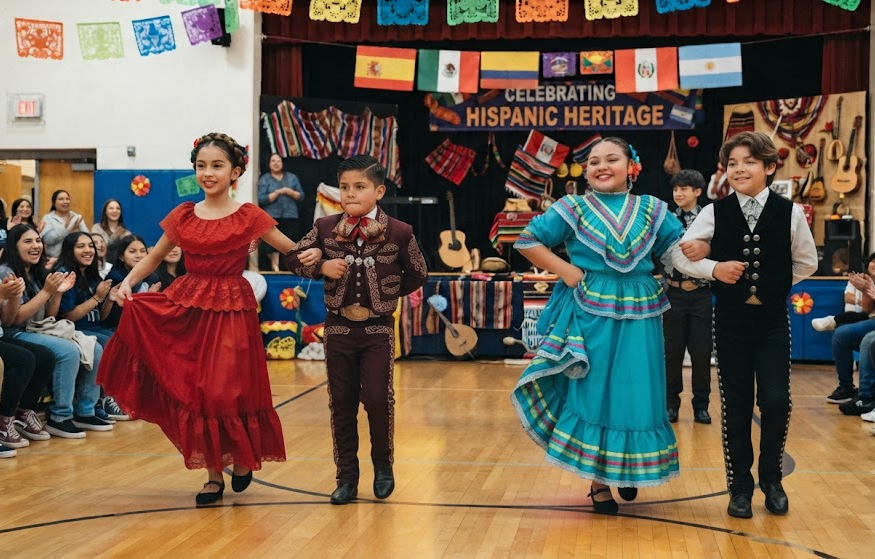
The arrival of Hispanic Heritage Month marks a vibrant celebration of cultural richness and achievements among Hispanic and Latino Americans. Spanning from September 15 to October 15, this month is an invitation for students to explore diverse traditions, history, and contributions while engaging in a series of creative activities. From art exhibits to culinary experiences, the possibilities are as rich as the cultures being honored, fostering a sense of community and appreciation.
Engage Students with Creative Hispanic Heritage Activities
Creative activities provide a platform for students to immerse themselves in Hispanic culture, nurturing curiosity and understanding. These activities can range from artistic endeavors to culinary explorations, facilitating a comprehensive approach to learning about Hispanic heritage.
Organize Cultural Food Festivals
Host a food festival that showcases traditional dishes from various Hispanic countries. This immersive experience encourages students to engage with culinary traditions while learning about the diverse cultures represented in their communities. Here are some popular activities to include:
- Students can set up booths displaying art and historical facts about the countries featured.
- Encourage them to prepare and serve traditional dishes, allowing taste-testing experiences.
- Incorporate games or activities that reflect the cultural heritage of each nation.
Research Famous Hispanic Figures
Assign students to research impactful Hispanic figures such as Frida Kahlo or César Chávez. This task not only deepens their understanding of significant contributions but also fosters essential research skills. Students can present their findings through:
- PowerPoint presentations highlighting the person’s achievements and challenges.
- Creative projects that reflect their figure’s impact on society.
- Interactive discussions that promote questions and further exploration of Hispanic history.
Incorporate Art and Music into Learning
Art and music serve as powerful mediums for cultural expression. Integrating these elements into activities enhances students’ appreciation of Hispanic heritage while creating a dynamic and engaging learning environment.
Host Art Exhibitions
Organizing an art exhibition featuring student-created pieces inspired by Hispanic culture can be a significant way to celebrate heritage. Encourage students to explore various art techniques by creating:
- Papel picado (Mexican paper cutting) for decoration.
- Murals that reflect traditional tales or cultural values.
- Portraits of notable Hispanic figures to display at the exhibition.
Facilitate Dance Workshops
Dance is a vital component of Hispanic cultural celebrations. Arrange workshops where students can learn traditional dances such as salsa or flamenco. This not only teaches them about rhythm and movement but also deepens their connection to cultural heritage:
- Invite professional dancers to conduct workshops.
- Encourage students to perform at school events, fostering community spirit.
- Discuss the cultural significance of the dances and their origins.
Promote Language and Literature
Language and literature play crucial roles in understanding Hispanic culture. Encouraging exploration in these areas enhances students’ empathy and cultural connections.
Develop a Bilingual Book Club
Initiating a bilingual book club allows students to delve into literature by Hispanic authors. Choose works that offer diverse perspectives and provoke meaningful discussions. Activities may include:
- Reading selections in both English and Spanish.
- Hosting discussions that encourage interaction and insights about cultural experiences.
- Inviting local authors for talks or readings.
Create Storytelling Projects
Storytelling is an effective way to preserve and share cultural narratives. Have students create multimedia storytelling projects that highlight lesser-known Hispanic stories or legends. This can foster creativity and enrich their learning experience in several ways:
- Utilize digital tools to present their stories visually and audibly.
- Encourage collaborative storytelling through group presentations.
- Involve the community by encouraging oral histories from local Hispanic families.
Encourage Community and Service Projects
Connecting Hispanic Heritage Month activities with community service can deepen students’ understanding of social responsibilities and cultural empathy. Encouraging service projects helps promote inclusivity and celebrates shared experiences.
Organize Community Engagement Initiatives
Community service projects can empower students while giving back to the Hispanic community. Possible activities include:
- Volunteering at local organizations that support Hispanic families.
- Creating care packages with essential supplies for underserved communities.
- Hosting workshops that promote cultural sensitivity and awareness.
Arrange Cultural Exchange Programs
Connecting with schools from Hispanic communities can broaden the understanding of cultural diversity. Set up exchange programs that allow students to learn about different traditions, languages, and experiences. This can include:
- Virtual pen pal systems where students share their experiences and learn from one another.
- Joint projects that culminate in a shared presentation or event.
- Field trips to local Hispanic cultural sites.
In concluding, the vibrancy of Hispanic Heritage Month offers an abundant opportunity for students to engage actively with the diverse aspects of Hispanic and Latino cultures. Through these creative activities, students not only learn about history but also develop empathy and appreciation for the multifaceted contributions within their communities.