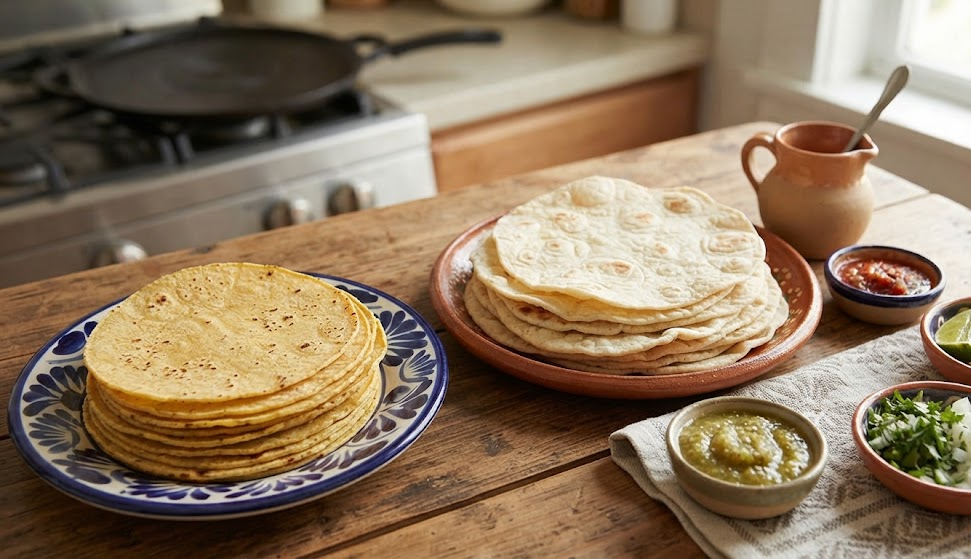
The debate between corn and flour tortillas has been ongoing for centuries, deeply rooted in cultural traditions and culinary preferences. While both have their devoted fans, understanding their inherent differences can enhance your dining experience. From nutritional aspects to preparation methods, let’s unravel the complexities of these beloved staples.
Examining the Origins of Corn and Flour Tortillas
The origin of tortillas dates back to pre-Columbian times, where corn tortillas were a crucial dietary component of Native Americans, especially the Aztecs. In contrast, flour tortillas emerged later with the arrival of Spanish colonizers who introduced wheat flour. This marked a significant shift in the culinary landscape of the Americas. Both types of tortillas have evolved over the years to become essential components of various dishes in Mexican and Tex-Mex cuisine.
Understanding the Cultural Impact of Tortillas
Tortillas not only serve as a food source but also as a cultural symbol. In Mexico, corn tortillas are typically associated with traditional dishes like tacos and enchiladas, whereas flour tortillas are often preferred in the northern regions where wheat is more prevalent. This cultural divide influences how we perceive and utilize these staples in modern cuisine.
Comparing Nutritional Profiles
The nutritional differences between corn and flour tortillas are significant and can influence dietary choices. A 100-gram serving of corn tortillas contains about 218 calories, 6 grams of protein, and 3 grams of fat, while a similar serving of flour tortillas can have around 306 calories, 8 grams of protein, and 8 grams of fat. Understanding these distinctions is vital for those monitoring their diet.
Focusing on Fiber and Gluten Content
Corn tortillas trump their flour counterparts in fiber content, boasting 6 grams compared to only 4 grams in flour tortillas. This higher fiber content can aid digestion and promote overall health. Additionally, corn tortillas are naturally gluten-free, making them a suitable option for individuals with gluten sensitivities or celiac disease. In contrast, the gluten in flour tortillas provides a chewy texture that many find appealing, though it may pose challenges for those who cannot tolerate it.
Evaluating Taste and Texture Differences
Taste is subjective, often dictating preferences for one type over the other. Corn tortillas have a distinctive, slightly sweet flavor that shines through in traditional recipes. However, some may find their texture less forgiving, as they can be prone to break easily. In contrast, flour tortillas are often fluffier and yield a softer bite, making them ideal for burritos and wraps.
Analyzing Popular Uses in Dishes
The choice between corn and flour tortillas often comes down to their culinary applications. Corn tortillas excel in traditional dishes like tacos and enchiladas, highlighting their flavor while providing structural integrity. On the other hand, flour tortillas are versatile and well-suited for burritos, quesadillas, and wraps due to their softer, pliable nature. This division serves to enhance the culinary experience, depending on the dish being prepared.
Exploring Health Considerations
While both types of tortillas offer unique benefits, it’s essential to consider health implications. Corn tortillas, being lower in calories and fat, can support weight management goals. However, they are smaller, which may lead to consuming more calories if portion sizes aren’t adjusted. Conversely, although flour tortillas are higher in calories, their greater calcium and iron content can be advantageous for certain diets.
Focusing on Homemade vs. Store-Bought
Whether you choose to make your tortillas or buy them, the quality can vary greatly. Homemade tortillas often lack preservatives and deliver a fresher taste, while commercially produced options may contain additives that affect flavor and texture. Paying attention to labels and opting for brands that focus on quality can make a considerable difference in your culinary experience.
Deciding on the Right Tortilla for You
When it comes to choosing between corn and flour tortillas, personal preference and dietary needs dictate the best option. For those with gluten intolerance, corn tortillas are the clear choice. However, if you prioritize a soft, versatile tortilla for various dishes, the flour variety may be more suitable. Additionally, whole-wheat tortillas present a health-conscious compromise by providing fiber benefits without the gluten.
Considerations for Portion Sizes
It’s vital to consider portion sizes when selecting tortillas. A corn tortilla may be smaller than a flour tortilla, prompting individuals to eat more than one to feel satisfied. Being mindful of portion sizes can effectively manage calorie intake and ensure a balanced meal regardless of the choice made.
In conclusion, corn and flour tortillas each offer distinct flavors, textures, and culinary uses. A specialized Tortilleria can also help discover authentic varieties and choose the tortillas best suited to different dishes and preferences.