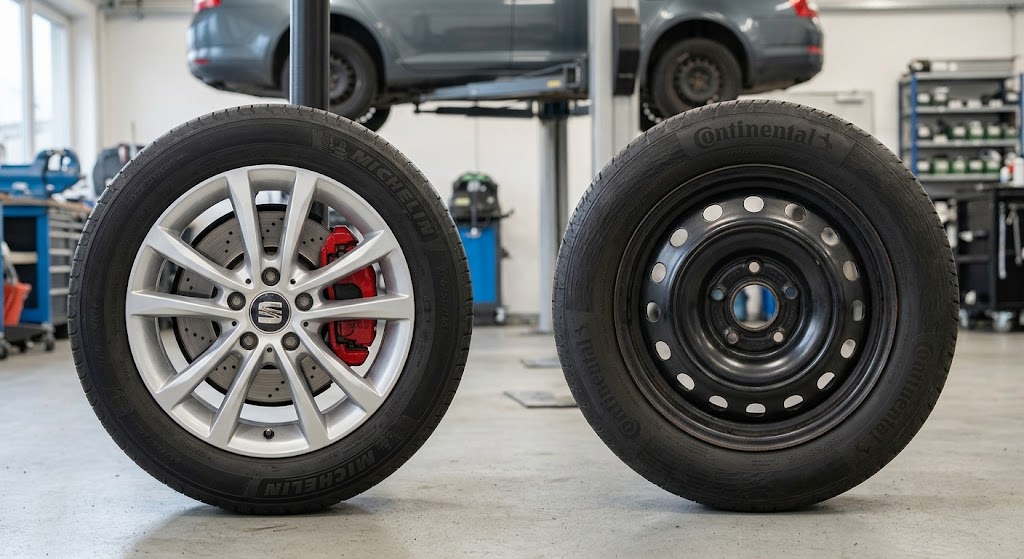
When it comes to vehicle braking systems, understanding the differences between disc brakes and drum brakes is vital for vehicle owners and enthusiasts alike. Each type of brake system has its advantages and disadvantages, making them suitable for different applications and driving conditions. This article will explore the key differences between disc brakes and drum brakes, helping you make informed decisions about your vehicle’s maintenance and performance.
Basic Structure and Functionality
The first step in understanding the differences between disc brakes and drum brakes is to examine their basic structure and how they function.
Disc Brakes: How They Work
Disc brakes consist of a brake disc (or rotor) that is connected to the wheel. When the brake pedal is pressed, hydraulic fluid activates the brake calipers, which clamp down on the rotor to create friction and slow down the vehicle.
- Disc brakes provide superior heat dissipation, reducing the risk of brake fade during intense braking situations.
- They offer more consistent braking performance, especially in wet conditions.
- Disc brakes are generally lighter than drum brakes, contributing to better overall vehicle performance.
Drum Brakes: How They Work
Drum brakes feature a cylindrical drum that rotates with the wheel. Inside the drum, brake shoes press against the inner surface of the drum to create friction when the brake pedal is engaged.
- Drum brakes tend to be more compact, making them suitable for certain vehicle designs.
- They are often more cost-effective to manufacture and install compared to disc brakes.
- Drum brakes can provide greater stopping power at lower speeds, making them effective for smaller vehicles.
Performance Under Various Conditions
The performance of brakes can vary significantly depending on the driving conditions. Here, we will evaluate how disc and drum brakes perform under different scenarios.
Wet and Slippery Conditions
When driving in wet or slippery conditions, the type of braking system can greatly impact safety and performance.
- Disc brakes are less affected by water, as their open design allows water to drain away quickly.
- Drum brakes can collect water inside the drum, potentially leading to reduced braking effectiveness until the moisture is expelled.
- The consistent performance of disc brakes in adverse conditions makes them a preferred choice for high-performance vehicles.
Heavy-Duty Applications
In heavy-duty applications, such as trucks and performance vehicles, the choice of braking system is critical.
- Disc brakes are favored in heavy-duty applications due to their ability to handle heat better, preventing brake fade.
- Drum brakes may still be used in some heavy-duty applications but are often supplemented with disc brakes for enhanced performance.
- Heavy-duty vehicles often require reliable stopping power under stress, which is where disc brakes excel.
Maintenance and Longevity
Understanding the maintenance needs and longevity of each braking system can help vehicle owners plan for long-term performance.
Maintenance Requirements
Both types of brakes require regular maintenance to ensure optimal performance, but their needs can differ.
- Disc brakes typically require less frequent maintenance, as they are less prone to wear and tear.
- Drum brakes may need more frequent adjustments and inspections due to the potential for brake shoe wear.
- Regular inspection of both systems is essential to identify potential issues before they become major problems.
Longevity of Brake Systems
The lifespan of disc and drum brakes can vary based on usage and driving habits.
- Disc brakes generally have a longer lifespan due to their efficient heat dissipation and reduced wear.
- Drum brakes may wear out faster, particularly in stop-and-go driving conditions.
- Proper maintenance can significantly extend the life of both types of braking systems.
Conclusion
In summary, both disc brakes and drum brakes have their unique advantages and disadvantages. Disc brakes excel in performance, especially under demanding conditions, while drum brakes can be more cost-effective for certain applications. Understanding these differences is essential for making informed decisions regarding your vehicle’s braking system. If you are unsure which type of brakes are best for your vehicle, consider consulting with a professional mechanic for personalized advice.